
Laura Gonzales, University of Florida
Anwesha Chattopadhyay, University of Florida
Judy Colindres, University of Florida
Chandler Mordecai, University of Florida
Dinalo Chakma, University of Florida
Payal Nagpal, University of Calgary
Felipe González-Silva, University of Florida
Kaylee Lamb, University of Florida
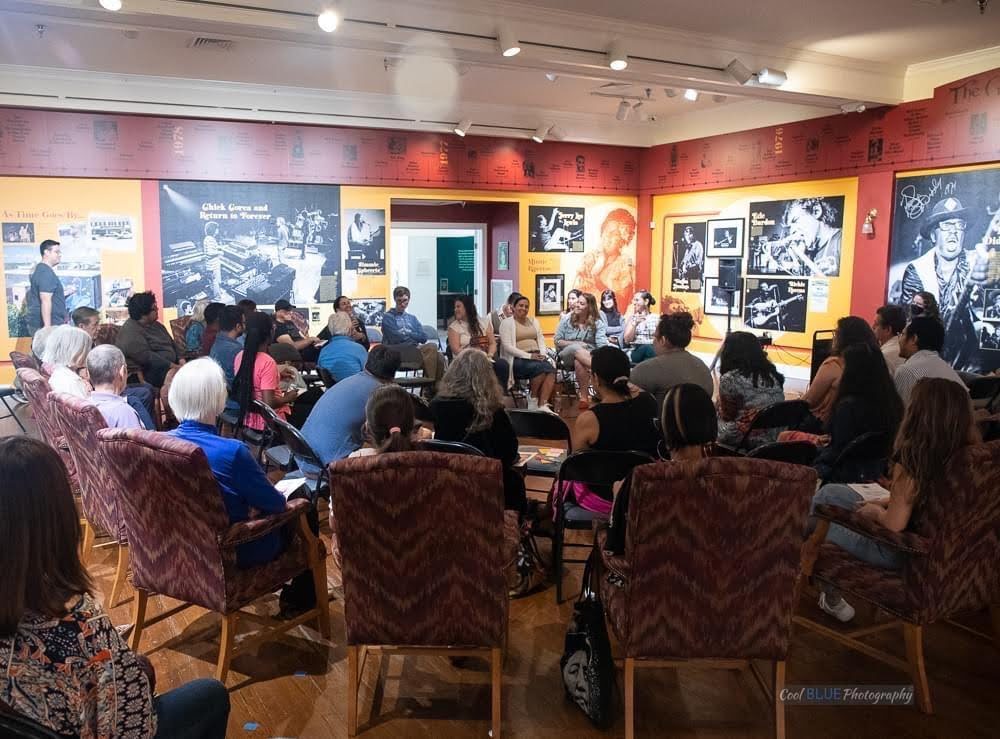
Figure 1: A Group of Community Members Gathers to Share Immigrant Stories
In October of 2023, we, students and a faculty member at the University of Florida, in Gainesville, Florida, organized a community event focused on immigrant storytelling. Laura is the instructor of this course and is also a member of local immigrant activist groups in Gainesville seeking to raise awareness about the presence and value of immigrants in our local community. As Laura planned her 2023 graduate seminar on professional development, she decided to introduce students to local immigration-activist efforts to gauge student interest in becoming involved by co-hosting a storytelling event. As a class, and authors of this article, we collectively opted to contribute to the local efforts of our community, organizing a storytelling event that would allow us to practice cultural rhetorics and community engagement while also highlighting the activist work already being done and sustained in our city.
The event was titled “Stories of Migration.” The purpose of this event was to bring together community members in our city to:
1) Share immigration stories.
2) Develop and share strategies for better supporting our immigrant community.
At a time when immigration rhetoric is consistently influenced by racist and xenophobic policies in Florida and beyond, activists in our community have been hosting events focused on immigrant inclusion (Gainesville Immigrant Neighbor Inclusion Initiative). Building on other efforts to increase inclusion in our city, as members of a large public University, we organized the event described here to support our community.
While we value community work as researchers and academics, we also recognize that our positionalities as members of the University of Florida impact how the community perceives us. It is well-documented that universities consistently extract community resources for the benefit of publications and academic merit (da Cruz; Humphreys et al.; Torrez). However, community-engaged projects are critical to cultural rhetorics scholarship and praxis, which pushes academic researchers to consider ethical and justice-driven ways of engaging with communities outside of the University of Florida (Ball and Lewis). In this article, by reflecting on and documenting the planning and execution of a community event in our local context, we illustrate how cultural rhetorics approaches to community engagement can inform the development of community projects led by University researchers. We consider the challenges of establishing spaces for discussing immigration, particularly in states like Florida, where diversity, inclusion, and education are consistently under attack (Diaz; Shanley; Lu). Through this discussion, we provide insights and takeaways for other cultural rhetorics researchers interested in conducting community-engaged projects focused on immigration.
Cultural Rhetorics Research about Community Engagement
Community engagement is central to cultural rhetorics research (Carmichael; Cedillo et al.; Hatcher; Novotny et al.). For example, in “Ethically Working Within Communities: Cultural Rhetorics Methodologies Principles,” Arellano et al. discuss implementing cultural rhetorics methodology within communities, classrooms, and research while navigating the “demands” of universities and “academic time” (4). Specifically, participants in the roundtable-style conversation that shapes the article describe the importance of accountability in cultural rhetorics and community-focused research. One participant, Lauren Brentnell, notes that accountability to them means “finding ways through our work and research to give control to the people we write with and about [and] being reflective about our relationships to those people, to ourselves, to our institutions, and those histories” (9). Another participant, Jo Hsu, begins community and cultural rhetorics projects with the question, “How do we do this work in a way that is accountable to the people and places we engage with?” (9). Lexi McGee cites five keywords that help her frame cultural rhetorics methodological practice: “Ethics,” “Intersectionality,” “Intertextuality,” “Vulnerability,” and “Collaboration” (10, original emphasis).
The above mentioned practices emphasize reflexivity and the relationships among researchers, institutions, and people, which are key community engagement principles. Furthermore, in “Interfacing Cultural Rhetorics: A History and a Call,” Cobos et al. situate the connections between “cultural rhetorics inquiry” and “community practice” and demonstrate how these overlaps have expanded conversations in rhetoric, writing, and communication studies (139). As Felicita Arzu Carmichael also illustrates in her research on Wanaragua, a masked performative dance of the Garifuna population in Belize, community-driven research can help cultural rhetorics scholars recognize and amplify cultural practices of resistance. These cultural practices can also help cultural rhetorics research interrogate the connections between racial justice and community engagement, as evidenced further by Alicia K. Hatcher’s work on “Performative Symbolic Resistance” which describes “tactic[s] social activists use as they seek acknowledgment of and redress for social ills” (n. pag.).
In addition to cultural rhetorics scholarship, a wide range of research across multiple fields highlights the importance and value of community engagement projects in academic institutions. For example, Andrée et al. note how community engagement brings together university scholars and community partners across various fields, including education, ecocriticism, economic justice, and social justice. Adhikari et al. outline how community engagement positively impacts global health research by building relationships with patients, medical practitioners, and communities (1). Community engagement has also been critically studied and recommended for research in public health (Balls-Berry and Perez), STEM (Zizka et al.), and social media studies (Steinmetz et al.).
In rhetoric and composition, scholars such as Sara P. Alvarez thread together research on community engagement with work that centralizes the lived experiences of immigrant students. As Alvarez demonstrates, community engaged research with immigrant communities can highlight how “the dynamic and embodied language and writing practices of undocumented immigrant activists challenge monolingual assumptions about linguistic legitimacy and citizenship and should be examined in the contexts of their undocumented and immigrant lived experiences” (vi). In other words, community engaged research in multilingual contexts can be especially powerful when seeking to learn about the connections between identity, language, and learning (Sierra Niño and Gonzales).
As J. Estrella Torrez explains, community engagement is tied to storytelling, which “is a practice of love rooted in responsibility, reciprocity, and respect” (144). In this article, we build on these principles to foster spaces for community-engaged work and prioritize immigrant voices through community-based storytelling. Conducting community research within an institutional context presents additional challenges and ethical considerations. However, one of the ways we can continue addressing these issues is by generating a continual dialogue. At its core, cultural rhetorics is “conversational” (Arellano et al. 23). Thus, we seek to constellate our own experiences, balancing our university affiliations, positionalities, cultural rhetorics work, and community engagement to contribute to this ongoing conversation.
Individual, Classroom, and Institutional Positionalities
In order to contextualize the community event we hosted, we provide some background on our institutional and individual positionalities. Our University is located on the ancestral lands of the Timucua people. Indeed, it was constructed on top of large, ancient Potano settlements and Timucua burial mounds. The sites were damaged during agricultural ventures in the early 1900s, and archaeologists later marked sites at the Law School and a lake on campus with memorial plaques (Garcia). Furthermore, the campus was founded in 1853 as the East Florida Seminary. The land of the campus was sold to the original board members of the East Florida Seminary, who owned enslaved people. Thus, the founders and funders of the University of Florida campus where we work and study were enslavers, and some of the biggest funders of the school today have ties to slavery (Brockway).
From the beginning of our University’s establishment, institutional positionality has and continues to influence how community members interact (or not) with the University of Florida. An institution with ties to colonialism and slavery amplifies racial segregation and gentrification within our small college town.
Recent protests on our campus, for example, note the fact that the University of Florida is still profiting from modern-day slavery by working with organizations that benefit from the labor of incarcerated people (Ferrie). In 2024, our legislature forced the closure of all diversity, equity, and inclusion programs on campus, leading to decreased resources and support for students of color, including immigrant students and over 6,000 international students (Undergraduate Affairs). Furthermore, according to the UF Office of Financial Aid, “undocumented students and students with DACA (Deferred Action for Childhood Arrivals) do not qualify for federal or state aid in Florida, including Machen Florida Opportunity Scholarship, Bright Futures, National Merit, and federal loans and grants.” Thus, despite their many contributions to our campus and local community, immigrant, international, and undocumented students receive little to no institutional support. When we engage with the community as members of the University of Florida, we bring our institutional context into our community collaborations, even if this context does not align with our own individual values and experiences.
In addition to our institutional affiliation, we recognize the role that our individual positionalities play in creating an environment for community engagement. Below, we provide brief descriptions of our positionalities:
Author 1, Laura, is a white Latina immigrant who is an associate professor in the Department of English at the University of Florida. She grew up in Florida as an immigrant and conducts research on community engagement and language diversity. Laura served as the facilitator of the event given her background with immigrant activism in the community.
Author 2, Anwesha, is an “upper caste” Indian PhD student in the Department of English at the University of Florida. Anwesha spent two years in Detroit as a child on a dependent visa, then returned two decades later to do her PhD on a F1 visa. She/they work in the intersections of postcolonialism, decolonialism, media, technology, and rhetoric.
Author 3, Judy, is a white Hispanic PhD student in the Department of English at the University of Florida. She grew up in Florida and focuses her research on pedagogy, positionality, and women’s writing.
Author 4, Chandler, is a white PhD candidate in the Department of English at the University of Florida. She grew up in rural Alabama, and her research and teaching interests lie at the intersections of technofeminism, digital rhetoric, and Healing Justice.
Author 5, Dinalo, is an Indigenous Chakma PhD student in the Department of English at the University of Florida. He grew up in Bangladesh, and his research interests sit at the intersections of Indigenous literature and culture, postcolonial studies, digital humanities, and cultural rhetoric.
Author 6, Payal, is a South Asian MFA candidate at the University of Florida. She grew up in India, and her primary interests include fiction, digital rhetoric, and postcolonialism.
Author 7, Felipe, is a Latin American Ph.D. candidate in the Department of English at the University of Florida. He was born and raised in Bogotá, Colombia. The author researches hybrid cinematic forms and Latin American cinema and has made a few short films using found footage.
Author 8, Kaylee, is a Native American Ph.D. candidate in the Department of English at the University of Florida. She is a member of the Cheyenne River Sioux tribe and grew up on the Cheyenne River Indian Reservation. Her interests are in the intersections of contemporary Native American and African American Literature.
It’s important to note that several of the authors have different layers of immigration experiences, which undoubtedly influence our orientations to this community project. Personal reflexivity within community-based research entails examining intersectionality and the vested interests of researchers, which can in turn influence different phases of the research journey, such as topic selection, formulation of research questions, field relations, and even the tone of voice in writing (Humphreys et al. 862 ). As cultural rhetorics and community engagement research teaches us, these connections to our research are an asset, rather than a deficit, because our identities allow us to connect with the multiple audiences included in this work. For example, our connections to immigration and experiences as multilingual scholars provided useful insights into why some attendees at our event may not feel comfortable speaking up due to issues of immigration status, perception of English proficiency, and more.
International Student Representation
As evidenced in our positionality statements, many students in our class also identify as international students, highlighting an important intersection between positionalities and conversations about immigrant inclusion in our local community. Currently, 75,000 of the 134,000 residents of our city are students (Tanzer), while 11% of the Gainesville population identifies as immigrants. While international students can experience xenophobia and racism within the community, they do not necessarily identify as immigrants, and their positionality as students brings an added layer of complexity in relation to immigration.
As the University of Florida grows, it continues to encroach on the parts of Gainesville previously unaffiliated with the University of Florida through studentification: a kind of gentrification where neighborhoods experience social, cultural, and economic changes as a result of an increase in student population (Ruiz-Perez). Affordable housing communities in historically Black neighborhoods are being replaced by high-rise luxury apartments targeting students, particularly in the East part of town. While rent prices have increased, wages remain low because students compete with the local labor market for service-sector jobs. This dynamic creates hostile conditions for minorities in the city, especially low-income and undocumented members of the community, who compete with students for jobs and housing and have limited ability to migrate to other parts of the state (Gainesville Neighborhoods United). We acknowledge that institutions often engage in community-building or community-oriented events to placate concerns about the harm they perpetuate, and thus, in planning our event, we prioritized creating an event that was more than a symbolic gesture. In the following sections, we describe the event and discuss how our individual, collective, and institutional positionalities influenced our involvement in conversations about immigrant inclusion and storytelling.
Background on the Community and the Event
The event we organized, titled “Stories of Migration,” was part of a larger initiative to increase the recognition of immigrant activism in our local community. Local agencies and organizations, as well as community leaders, have been pushing our city and county to further support immigrant community members by increasing language access efforts, protecting immigrant community members from xenophobic state laws, and providing resources to inform immigrant community members of their rights and responsibilities. As part of this work, a museum exhibit was launched in our local history museum. This exhibit, We Are Here: Stories from Multilingual Community Members in North Central Florida, documents stories from 80 immigrant community members in our region. The goal of the event was to bring together different members of the community to share their stories of immigration and to propose strategies for addressing the needs of our immigrant community members.
“Stories of Migration” took place at our local history museum, which welcomes immigrant-led and immigrant-focused events. The museum space for this event was open and free of charge to the public. However, its location—like any other—can introduce issues of access that affect how the exhibit and conversation take place and their attendance. Despite its transformations in the last century, and despite our own museum’s ongoing efforts to intentionally center diversity, equity, and inclusion, museums in Europe and the United States remain spaces that serve a population that is primarily “upper-middle-class, White, able-bodied” (Labadi 38; cited in Reza 119). Thus, this event was an attempt to invite, highlight, and welcome people who do not correspond to the typical audience of museums.
The history museum that co-hosted We Are Here is located a few blocks east of the city’s downtown neighborhood and, therefore, has several bus lines that serve the area, connecting to different parts of the city. The event was free, although a five-dollar donation was encouraged, and people were able to attend in person or via Zoom. The event took place during the weekend, which is a time when the city’s bus system reduces bus numbers and routes significantly. This meant potential attendees with no personal vehicle had to find alternative transportation means or forgo the event. Bus schedule imbalances arise primarily because of Gainesville’s strong focus on transporting students, faculty, and staff to, from, and around the University of Florida’s main campus. Routes become even scarcer during the school’s summer and winter break periods, thus leaving much of the community outside the University of Florida—and even many from within who depend on the system to travel the city—unable to access affordable and consistent public transportation. Alternatively, weekend meetings typically fit into the schedule of attendees more conveniently. Either way, the decisions we had to make while planning this event highlight the complicated issue of accessibility and the need to create strategies and make decisions to favor those in the community whose attendance meets more obstacles.
Structure of the Community Event
The event took place in the main hall of the museum, just next to the exhibit featuring printed multilingual anonymous testimonies from immigrants in our city. A map illustrating the participants’ countries of origin accompanied the exhibit. Visitors were encouraged to browse the exhibit and also consume refreshments. The refreshments included cupcakes and other baked goods prepared by a local, immigrant-led bakery. Funds to cover refreshments and other materials were provided by Laura, and funding for the space and technology equipment were provided by the local museum.
The event began with an introduction given by the facilitator, Laura, who provided context about the linguistic history of our city. She set the tone of the event by telling her own immigration story and then inviting community members to share their own stories. While we don’t know exactly how many members of the audience identified as immigrants, the room was filled with energy as people not only shared, but also listened to stories with affirming sounds and nods. These types of visual and verbal affirmations hinted to us that people in the room shared, or at least empathized with, the immigration stories being told.
Each chair in the space had sticky notes and pens, where community members were encouraged to write down ideas about how we could come together to support and highlight immigrants in our community. The goal of setting up the room with pens and sticky notes was to encourage attendees to react to the stories they heard and shared. Furthermore, because we understand that not every person in the room may feel comfortable speaking, the sticky notes and pens provided an additional avenue for attendees to contribute to the conversation through another modality. As she opened the event, Laura asked the audience to listen intently and write down ideas for how the collective community could work together to address some of the needs expressed by the storytellers. In this way, the goal was not only to share stories of immigrant struggles but also to take action on these issues. As the conversations and stories took place in the event, we as organizers took notes about the experience, noting how issues of engagement and participation played out in this community context.
While the event was impactful and productive, listening to the stories shared in this space also provided interesting insights into the complex nature of organizing and facilitating community engagement projects as members of a university.
The week after the event, we as organizers met to reflect and gather our perspectives. In that reflection session, we shared our experiences interacting with a community of participants from diverse socio-cultural backgrounds, age groups, economic classes, and immigration statuses. We sat around a table in our classroom and first took time to write our own individual reflections, noting how we felt after the event and what we think could have gone better. The individual reflection time was followed by a lively discussion, where each of us as organizers had the opportunity to share and process the event together. This collaborative process allowed us to develop meaningful insights in conversation with one another. Drawing from a cultural rhetorics methodology, we know that reflection is an important part of any research project, and it was important to us to engage in reflection individually and collectively.
As we spent some time individually and collectively reflecting, we took notes on a collaborative Google Doc, seeing what takeaways resonated with multiple members of the class. We agreed that while engaging with the community outside of academia was rewarding, there were also many factors involved in the organization of the event that we could continue to improve and refine through our training in cultural rhetorics. In the following sections, we outline three main takeaways from the conversation and our reflections as event organizers.
Lesson 1: Creating a space for venting
At the beginning of the event, Laura let the audience know that the goal of the gathering was “not to just share stories of struggle, but to also identify opportunities for action.” For this reason, participants were asked to write down ideas as they listened to immigrants’ stories. At the event’s conclusion, attendees were prompted to share and discuss their ideas. While this was a useful method for facilitation, as participants shared their stories, they focused primarily on venting and processing challenging, and sometimes painful, events.
For example, a participant spoke about immigrating from Mexico to Los Angeles in 1999. For two years, she worked in a factory in LA’s large Mexican community. The speaker then moved to Florida and lived in a neighboring town. The town was smaller and less active in 2003 and 2004, and she transitioned to a new job working with plants, where everyone, regardless of gender and age, did the same hard labor. Management counted bathroom trips and emphasized, “work more, talk less.” The workers were mostly Mexican, and the managers were Latinx. The participant also described the difficulty of enrolling her children in school. At school, this participant’s daughter was not permitted to interpret communication with teachers and administrators for her mother, and getting a professional interpreter was also difficult. For this reason, the participant was left out of important events and information at her daughter’s school, feeling isolated and excluded.
Later, the speaker got a job in house cleaning, and her husband began working in construction. Meanwhile, her daughter got more involved in school. At the time of the event, the speaker and her husband were learning English. She is taking language classes at the local community college and finishing her high school degree online. The speaker concluded that there are both hard and good things about her immigration story, and many people have helped her along the way.
Another participant from Guatemala shared that while marrying a U.S. citizen aided in the immigration process, she has not seen many family members in five to ten years due to the expenses associated with travel. Working with a referral line for local community organizers, she also hears about everyday obstacles for immigrants across the city. The immigrants she has spoken with face difficulties with language access daily, such as at their child’s school or the store. The speaker gave the specific example of a parent having difficulty accessing resources for their child who needs homework help. Then, there is an additional language barrier when people call for assistance. She explained that immigrants experience stigma and discrimination, and people are often not welcoming: “No one told me the level of obstacles that immigrants experience.” The speaker emphasized the courage it takes to ask for help and stressed that the whole community, and the legislation, in Florida should be more welcoming to immigrants so that people will be unafraid to ask for help when necessary.
We recognize the need for participants to process their stories and argue that there is no clear dichotomy between “venting” and “action,” particularly when sharing stories of struggle in marginalized communities. Nora K. Rivera explains in her discussion of testimonios as methodology:
Testimonios do not intend to find a hasty fix to an issue, especially issues affecting underrepresented groups (Gonzales et al., 2020). They aim at reflecting on the causes and bringing about a call to action. Unlike interviews, the method of testimonios is a process to a deeper understanding of the causes of complex issues, prompting the participants to contemplate various ways of solving the issues through collective reflection and vivid engagement. (n. pag.)
While we are not sure if all community members who participated in our event would describe their stories as testimonios, drawing on the work of Rivera and Torrez, we recognize that storytelling in spaces that centralize immigration requires space for what Rivera describes as the “desahogo,” or a moment where storytellers with shared experiences of oppression vent and share their stories of struggle not to gain sympathy, but to connect and provide mutual support. Therefore, in immigrant storytelling spaces, what may conventionally be perceived as “venting” can be a space for innovation, where people with shared experiences of marginalization can connect and develop a call to action based on mutual support and respect (Torrez). In our event, not everyone identified as an immigrant, and even those who did identify as immigrants have vastly different experiences based on factors like race, gender, class, and dis/ability status. Therefore, it was important to establish a space where people engaged through active listening, and where those with privilege took a backseat to the discussion as others connected based on shared (or, even, different) connections to marginalization.
Lesson 2: Ensuring participation without domination
While it was important for everyone in attendance to feel welcome to participate, we recognize that identities and power dynamics are still at play within immigrant communities. Therefore, it was important to establish a space where one individual did not dominate the conversation so participants could contribute equitably. This was a challenge in a space where people shared stories of struggle.
As we were organizing the event, we were concerned about how intersecting layers of identity, privilege, and power would influence who shared their stories. Immigrants are not a monolith, and there was also fear that some immigrants could intentionally or unintentionally cause harm to others in the room with whom they were not politically aligned. The presence of institutional, governmental, and media representatives gave the event stature and visibility but may also have exacerbated some of these anxieties. We worried people with intersecting marginalized identities, like immigrant women of color, would speak less than those who experienced fewer axes of oppression. Hearteningly, however, most speakers who shared their stories of immigration presented as women, although we cannot determine if they would all identify as women of color, and we don’t want to make assumptions about people’s gender identities. However, the audience was diverse, comprising individuals from various ethnic and cultural backgrounds and ages. Although there were no children present at the event, many of the storytellers referenced their families and children. The strong participation of women in this space could be for a number of reasons, including the fact that our course instructor, the organizer of the event, began by sharing her story of immigration. Taiyi et al.’s “How Employees Learn to Speak up from their Leaders: Gender Congruity Effects in the Development of Voice Self-Efficacy” demonstrates that women are more likely to contribute to group discussions in the workplace if their immediate supervisors were women who also spoke up. Thus, it is possible that having a woman lead the event and demonstrate what sharing an immigration story could look like set the tone for other women to speak.
Another participant shared her story of being an immigrant from Brazil who moved to New York and had her name changed by authorities against her will during her immigration process. She explained that New York City was highly diverse and felt like home. She enrolled in college for two years but then decided to move to Florida. In Florida, she could not go back to school or return to Brazil, where her family was, due to the length of time it took for her immigration paperwork to be processed and also because of the high cost of travel. Her past partner moved to Florida from Brazil and did not speak English. She explained that the U.S. is very different from Brazil, and her family is all in Brazil. The speaker and her boyfriend started a business and a family. The speaker noted that healthcare became a priority for her family when her daughter was born, as her daughter was born with health complications, and a doctor said she would not have survived in Brazil due to healthcare limitations.
As this participant shared her story, she continued to expand on different parts of her immigration journey, which spanned over decades. Due to the detail with which she processed her experiences, the speaker’s story took up a significant amount of time, much longer than the stories of others. As event organizers, we did not limit any participant to a specific storytelling time (though the entire event was scheduled for 90 minutes), and we did not feel comfortable interrupting anyone. However, we also wanted to accommodate enough time for all those who wanted to share their stories to do so. Thus, it was important to establish a balance between providing opportunities for people to share, ensuring that the most marginalized and least represented had an opportunity to share if they wanted, and attempting to prevent any one individual from dominating the conversation.
While many of the participants contributed with their own lived experience of immigration, several also contributed actionable information about how to navigate healthcare, food banks, legislation, and other day-to-day aspects of living in an unfamiliar country. Interestingly, the event also provided space for bringing together two/three generations of immigrants and learning about their heterogeneous but interconnected experiences. Many of these participants did not know each other prior to the event, but they connected to each other’s stories and exchanged contact information to continue the conversation. Some participants, however, did attend the event together and shared their collective stories. For example, an immigrant mother and her daughter shared their stories of struggles and empowerment. The mother began by telling her own story of immigration, noting how she had hoped her daughter would attend college one day. Now, her daughter is about to graduate college. Following the mother’s story, the daughter stood up and thanked her mom for all of the support, and she also revealed that her mom is currently attending English classes with the hope of attending college herself sometime soon. This story illustrated the varying experiences the mother-daughter duo had regarding lingual mobility, social integration, and professional affiliations. It also exemplified the multiplicity of immigrant experiences among different generations within the same family.
As participants shared stories, all audience members were invited to write on sticky notes, where participants were encouraged to note ideas for improving immigrant inclusion in the city based on the experiences shared by the storytellers. The option to provide ideas on sticky notes also allowed those who did not wish to invite attention by speaking to participate, and at the end of the event, sticky notes were pasted on several designated locations in the room.
Lesson 3: Ethical documentation
As scholars, we recognize the need for transparency especially when it comes to community-based research and how such data can be used and replicated for further projects. However, an additional challenge we faced as event organizers was finding ways to document the event while also protecting our attendees’ privacy—which was especially important considering issues of legal status and documentation. We took care to preserve anonymity in the event; it was not recorded on video, and attendees had the option to raise their hands at the beginning of the event if they preferred not to be photographed. This request to raise one’s hand and indicate that one did not wish to be photographed, while well-intended, may have caused some discomfort as the simple act of raising one’s hand may draw attention to the person who does not wish to be noted. In addition, in documenting this event through this publication, we also made collective efforts to prevent any identifiable factors of participants, as they remain in unprotected positions in the state of Florida.
During the event, instead of video recording, an artist, Jorge Gomez, founder of JG Graphic Creative Studio, was hired to document the stories. Jorge is a local artist in our community, whose background and experiences also resonate with the goals of our event. For that reason, we include Jorge’s background and a link to his work here, and we thank him for all his contributions to the event and to our community:
Jorge Gomez is a Venezuelan-born graphic designer, digital artist, and content creator, whose journey embodies resilience, creativity, and the pursuit of dreams. With a rich background in graphic design, Jorge’s artistic journey began in Venezuela, where he honed his skills and developed a unique style influenced by his cultural heritage.
Driven by a desire to expand his horizons and share his expertise, Jorge immigrated to the USA, where he has established himself not only as a talented graphic designer but also as a passionate content creator and educator. Through his online platforms and workshops, Jorge teaches others about the art and techniques of graphic design, inspiring a new generation of creatives to pursue their passions.
In addition to his role as an educator, Jorge is the founder of “JG Graphic Creative Studio,” a thriving design agency known for its innovative approach and visually compelling work. Through his company, Jorge collaborates with clients from diverse industries, bringing their visions to life with his signature style and attention to detail.
Jorge’s journey serves as a testament to the power of perseverance and passion in the face of adversity. Through his art, education, and entrepreneurial spirit, he seeks to inspire others to embrace their creativity and pursue their dreams fearlessly, no matter where life takes them. Jorge’s portfolio can be accessed here: https://jggraficoo824c.myportfolio.com
During the event, Jorge created digital art in real-time as people spoke, combining quotes from the event with pictorial descriptions of attendees, their journeys, and their visions for an immigrant-inclusive community. While our choice to use digital art instead of photographs as documentation preserved speakers’ anonymity, it brought with it its own set of complexities, as it was difficult to visually represent so many different people, their stories, and their perspectives. Figure 2 represents the final illustration that Jorge created during the event.
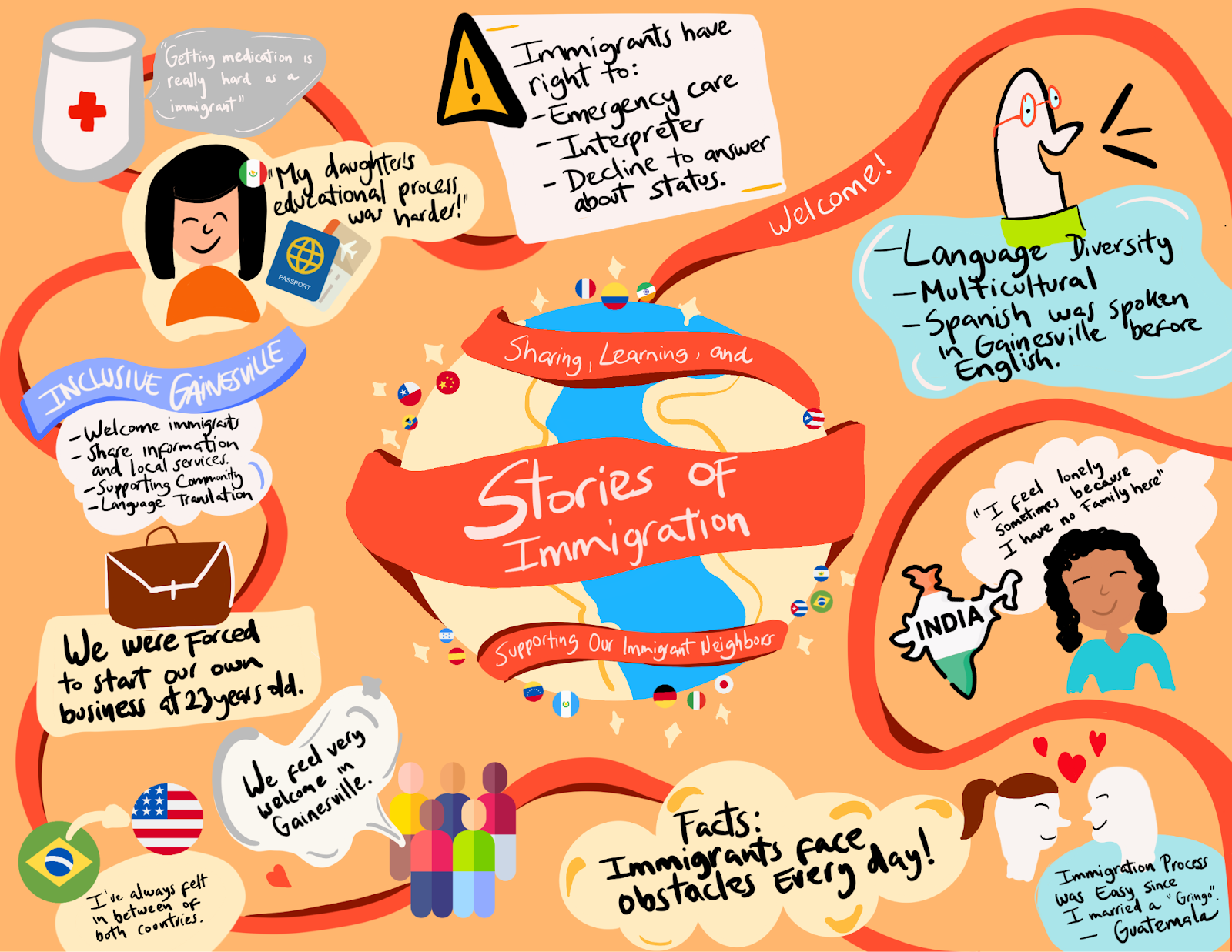
Figure 2: Digital Illustration of Immigration Stories
The digital illustration provided a snapshot into the conversations that took place during the event. Jorge had the power to determine which stories were featured and select quotes he considered the most salient aspect of those stories. However, we also had the opportunity to provide feedback after the event, and to work in collaboration with Jorge to represent the stories shared.
We also selected a notetaker, Judy, to provide another form of documentation for the event. Judy volunteered to take notes as part of her contribution to the project. As Judy learned while taking notes at the event, there were challenges with balancing the interest in preserving the participants’ stories and the concern for anonymity. To avoid revealing details about the speakers’ identities, Judy chose not to transcribe the stories fully. Instead, she summarized the stories by focusing on the main points made by each speaker and removing identifying information. Judy selected the information to include and omit, thereby introducing another filter between the stories shared and their documentation for this paper.
As scholars, we recognize the unintended, adverse consequences of regulating and filtering stories, as this can often leave some voices absent and vulnerable. However, to better protect speakers and address the issues of immigration and cultural diversity, our authors collectively gathered key information from the stories while abiding by our participants’ need for anonymity. While anonymity was essential for participants to share their stories safely and comfortably, this note-taking process created additional mediation within the event documentation. The process also made it more difficult to give credit to the participants who shared their stories at the event and whose stories are documented in this article. As with any community engagement project, documentation, extraction, and labor are often left invisible. A cultural rhetorics methodology to community engagement pushes researchers to highlight these questions and issues as we reflect on our approaches to working alongside communities to share stories of immigration and foster mutual empathy and change.
Conclusion: Our Dreams for a More Inclusive City
At the conclusion of the event, we collected all the sticky notes where participants had written their suggestions for a more inclusive city. As shown in Figure 3, some of the recommendations made by our participants included “multilingual labels at the food banks,” “healthcare for immigrants who do not have family in the country to take care of them when they are ill,” “having designated translators for more events at schools,” and “hacer más eventos y hablar con más hispanos de aquí” (do more events and speak with more Hispanics from here).
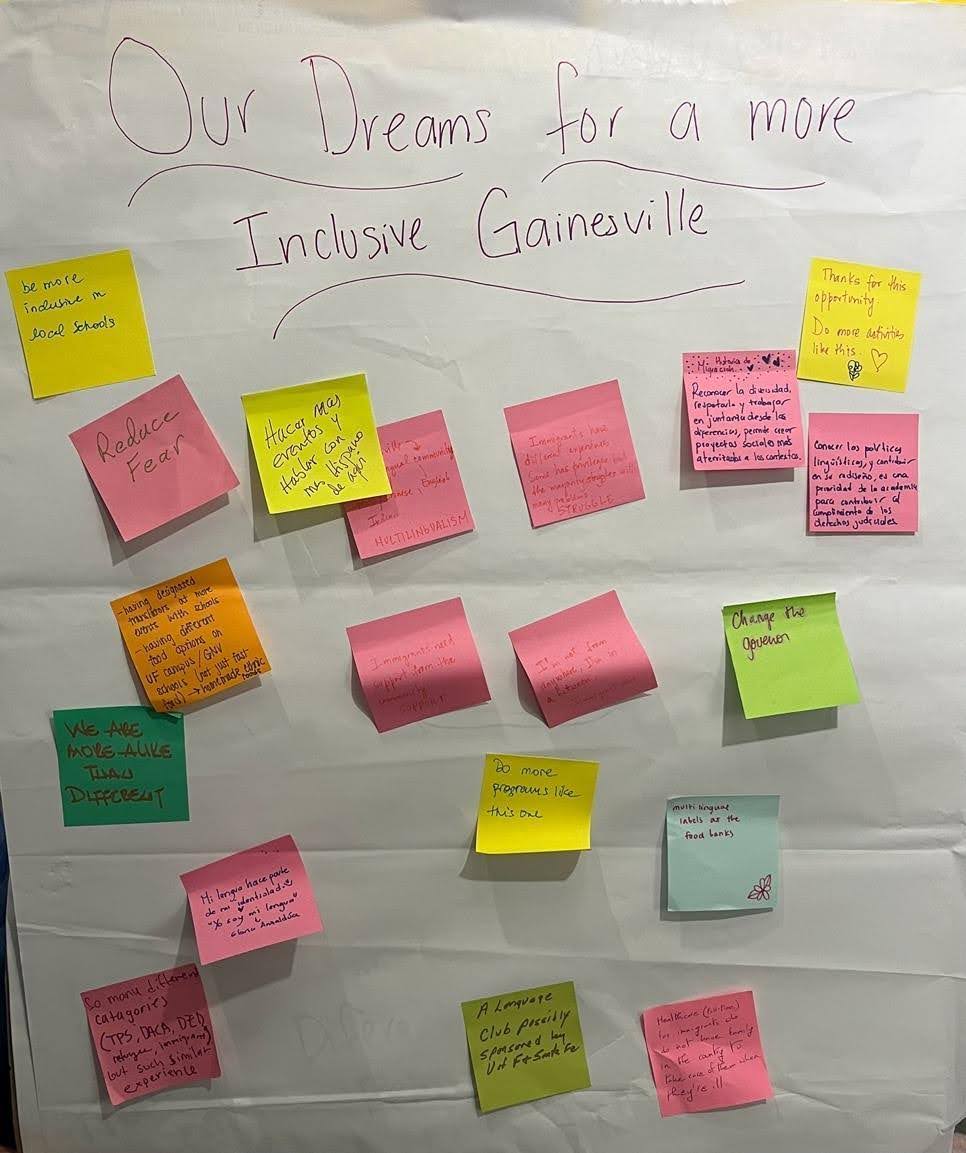
Figure 3: Image of Participant Sticky Notes Documenting Dreams for a More Inclusive City
With the interplay of the accomplishment of creating space and the structural challenges that surfaced in doing so, the community event provided us with an opportunity to learn from immigrant members of our community, while also discovering how cultural rhetorics approaches to community engagement provide us with tools to consistently reflect on and improve our practices. After collective reflection and discussion of the takeaways and their implications, we understand the complexities of establishing community spaces where people are encouraged and welcomed to share stories of oppression, especially concerning immigration. During one of our reflective discussions, a member of our organizing group mentioned that in the future, we might reorganize the physical event space itself, arranging a screened-off section for people who want to remain anonymous. Another group member suggested that we make it more transparent who was taking notes and what was being documented at future events, providing an opportunity for attendees to see and approve or amend the notes as they desired. Furthermore, since the event aimed to bring immigrants from diverse linguistic and cultural backgrounds, it necessitated one translator for a Spanish-speaking attendee. In this case, Laura, a Spanish-speaker, helped with the translation work. In the future, having other interpreters hired for the event might be useful to encourage more multilingual participation. Finally, in future events, it might be helpful to establish a set time for each speaker to share their story, to avoid one person sharing for much longer than others. As cultural rhetorics methodologies teach us, community engagement processes entail the continuous learning of new approaches that foster individual and collective growth. Through constant reflection and dialogue, we were able to provide an imperfect opportunity for our community to come together and share stories of immigration during a turbulent time in our turbulent state.
Works Cited
Adhikari, Bipin, Christopher Pell, and Phaik Yeong Cheah. “Community engagement and ethical global health research.” Global Bioethics, vol. 31, no. 1, 2020, pp. 1–12, doi.org/10.1080/11287462.2019.1703504.
Alvarez, Sara del Pilar. “Conciencia bilingüe: the multilingual and academic writing practices of undocumented immigrant activists.” Electronic Theses and Dissertations. Paper 2930. https://doi.org/10.18297/etd/2930
Andrée, Peter, Nadine Changfoot, and Charles Z. Levkoe. “Special Section Introduction: Community Impacts of Engaged Research, Teaching, and Practice.” Michigan Journal of Community Service Learning, vol. 26, no. 1, 2020, pp. 45–51, https://doi.org/10.3998/mjcsloa.3239521.0026.104.
Arellano, Sonia, et al. “Ethically working within communities: Cultural rhetorics methodologies principles.” Constellations: A Cultural Rhetorics Publishing Space, 2021, https://constell8cr.com/conversations/cultural-rhetorics-methodologies/.
Balls-Berry, Joyce E., and Edna Acosta-Perez. “The Use of Community Engaged Research Principles to Improve Health: Community Academic Partnerships for Research.” Puerto Rico Health Sciences Journal, vol. 36, no. 2, 2017, pp. 84–85. https://www.ncbi.nlm.nih.gov/pmc/articles/PMC5582944/.
Bell, Marissa, and Neil Lewis Jr. “Universities Claim to Value Community-engaged Scholarship: So Why Do They Discourage it?.” Public Understanding of Science vol. 32, no. 3, 2023, pp. 304–321, https://doi.org/10.1177/09636625221118779.
Bratta, Phil and Malea Powell. “Introduction to the Special Issue: Entering the Cultural Rhetorics Conversations.” enculturation: a journal of rhetoric, writing, and culture, Issue 21, 2016, https://enculturation.net/entering-the-cultural-rhetorics-conversations.
Brockway, Kevin, “UF students examine school ties to slavery.” The Gainesville Sun, 15 March 2019, https://www.palmbeachpost.com/story/news/state/2019/03/15/uf-students-examine-school-ties-to-slavery/5702223007/. Accessed 15 Nov. 2023.
Carmichael, Felicita Arzu. “Wanaragua: An Embodied Performance of Resistance, Recognition and Resilience Among The Garinagu of Belize.” Constellations: A Cultural Rhetorics Publishing Space, no. 4, 2021, https://constell8cr.com/wp-content/uploads/2021/11/Issue-4-Wanaragua-Carmichael-PDF.pdf
Cedillo, Christina V., et al. “Listening to stories: practicing cultural rhetorics pedagogy.” Constellations: A Cultural Rhetorics Publishing Space, 2018, https://constell8cr.com/pedagogy-blog/listening-to-stories-practicing-cultural-rhetorics-pedagogy/.
Cobos, Casie, et al. “Interfacing Cultural Rhetorics: A History and a Call.” Rhetoric Review, vol. 37, no. 2, 2018, pp. 139–154, doi.org/10.1080/07350198.2018.1424470.
Diaz, Jaclyn. “Florida Gov. Ron DeSantis signs a bill banning DEI initiatives in public colleges.” NPR , 15 May 2023, https://www.npr.org/2023/05/15/1176210007/florida-ron-desantis-dei-ban-diversity. Accessed 15 Nov. 2023.
da Cruz, Cynthia Gordon. “Community-Engaged Scholarship: Toward a Shared Understanding of Practice.” The Review of Higher Education, vol. 41, no. 2, 2018, p. 147–167, https://doi.org/10.1353/rhe.2018.0000.
Ferrie, Julian. “UF Students Announce Boycott Against Aramark.” The Independent Florida Alligator, 22 Jan. 2021, https://www.alligator.org/article/2021/01/uf-students-announce-boycott-against-aramark. Accessed 15 Nov. 2023.
Gainesville Immigrant Neighbor Inclusion Initiative. “March 2022 Blueprint for Immigrant Inclusion Executive Summary.” Web. https://gini-initiative.org/media/GINI-ES-English.pdf.
Garcia, Arlette. “How Gainesville is Recognizing its History on Indigenous Peoples Day.” WUFT.org, https://www.wuft.org/news/2021/10/11/how-gainesville-is-recognizing-its-history-on-indigenous-peoples-day/. Accessed 26 Nov. 2023.
Hatcher, Alicia. “Articulating and Interrogating Black Embodied Resistance: Using Performative Symbolic Resistance as a Tactical, Analytical Tool.” Constellations: A Cultural Rhetorics Publishing Space, no. 6, 2023, https://constell8cr.com/articles/articulating-and-interrogating-black-embodied-resistance-using-performative-symbolic-resistance-as-a-tactical-analytical-tool/
Humphreys, Lee, et al. “Integrating Qualitative Methods and Open Science: Five Principles for More Trustworthy Research.” Journal of Communication, vol. 71, no. 5, 2021, pp. 855–874, https://doi.org/10.1093/joc/jqab026.
Lu, Adrienne. “Here’s What Florida’s Proposed Anti-DEI Regulations Would Ban.” The Chronicle of Higher Education, 12 Oct. 2023, https://www.chronicle.com/article/heres-what-floridas-proposed-anti-dei-regulations-would-ban. Accessed 15 Nov. 2023.
Novotny, Maria, et al. “Constellating Community Engagement in a Cultural Rhetorics Seminar.” Composition Studies vol. 49, no. 1, 2021, pp. 103–118.
Rivera, Nora K. “Understanding Agency Through Testimonios: An Indigenous Approach to UX Research.” Technical Communication, vol. 69, no. 4, 2022, https://doi.org/10.55177/tc986798.
Shanely, Garret. “UF faculty express concern over state proposal limiting ‘social activism,’ banning DEI funding at public universities.” The Independent Florida Alligator, 30 Oct. 2023, https://www.alligator.org/article/2023/10/uf-faculty-express-concern-over-state-proposal-limiting-social-activism-banning-dei-funding-at-public-universities. 15 Nov. 2023.
Sierra-Niño, Valentina, and Laura Gonzales. “Visual Translation, Design, and Language Justice: a Case Study from North Central Florida.” Technical Communication 70.1 (2023): 6-21.
Steinmetz, Christine, et al. “Liking, Tweeting and Posting: An Analysis of Community Engagement Through Social Media Platforms.” Urban Policy and Research vol. 39, no. 1, 2021, pp. 85–105, https://doi.org/10.1080/08111146.2020.1792283.
Torrez, J. Estrella. “Responsibility, Reciprocity, and Respect: Storytelling as Means of University-Community Engagement.” Civic Engagement in Diverse Latinx Communities, edited by Mari Castañeda and Joseph Krupczynski, Peter Lang, 2018, 143–158.
Undergraduate Affairs. “International Students.” Web. https://www.eng.ufl.edu/students/students/international/international-students/#:~:text=UF%20hosts%20more%20than%206%2C000,recognized%20all%20over%20the%20globe. April 2024.
UF Office of Financial Aid. “Undocumented Students.” Web. https://www.sfa.ufl.edu/process/additional-information/undocumented-students/. April 2024.
Zizka, Laura, Doreen M. McGunagle, and Patti J. Clark. “Sustainability in Science, Technology, Engineering and Mathematics (STEM) Programs: Authentic Engagement Through a Community-based Approach.” Journal of Cleaner Production, vol. 279, 2021, pp. 1–15, https://doi.org/10.1016/j.jclepro.2020.123715.
Acknowledgements
We are grateful to our community for making this work possible: Jorge Gomez, founder of JG Graphic Creative Studio for illustrating the conversations at the event; Victor Del Hierro for helping coordinate logistics and bring people together; Ethan Maia de Needell, Veronica Robleto, Adrianna Menéndez, and Robin Lewy from the Rural Women’s Health Project for their support and for making this work possible; Kaitlyn Hof-Mahoney and the Matheson History Museum for allowing us to host this event at the Museum and for their continued commitment to language justice; Valentina Sierra Niño for designing the museum exhibit that inspired this event; and the multiple community members who attended, witnessed, and contributed to the conversations.
About the Authors
Laura Gonzales an associate professor in the Department of English at the University of Florida. She conducts research on community engagement and language diversity.
Anwesha Chattopadhyay is an “upper caste” Indian PhD candidate in the Department of English at the University of Florida. Anwesha spent two years in Detroit as a child on a dependent visa, then returned two decades later to do her PhD on a F1 visa. She/they work in the intersections of postcolonialism, decolonialism, media, technology, and rhetoric.
Judy Colindres is a white Hispanic PhD student in the Department of English at the University of Florida. She grew up in Florida and focuses her research on pedagogy, positionality, and women’s writing.
Chandler Mordecai is a PhD candidate in the Department of English at the University of Florida. She grew up in rural Alabama, and her research and teaching interests lie at the intersections of technofeminism, digital rhetoric, and Healing Justice.
Dinalo Chakma is an Indigenous Chakma PhD student in the Department of English at the University of Florida. He grew up in Bangladesh, and his research interests sit at the intersections of Indigenous literature and culture, postcolonial studies, digital humanities, and cultural rhetoric.
Payal Nagpal received her MFA from the University of Florida. She is now a Ph.D. student in English and creative writing at the University of Calgary. She grew up in India, and her primary interests include fiction, digital rhetoric, and postcolonialism.
Felipe González-Silva is a Latin American Ph.D. candidate in the Department of English at the University of Florida. He was born and raised in Bogotá, Colombia. The author researches hybrid cinematic forms and Latin American cinema and has made a few short films using found footage.
Kaylee Lamb is a Native American Ph.D. candidate in the Department of English at the University of Florida. She is a member of the Cheyenne River Sioux tribe and grew up on the Cheyenne River Indian Reservation. Her interests are in the intersections of contemporary Native American and African American Literature.
Production Credits
Production Editor: Lauren Brentnell
Copy Editors: Natalie Cohen and Alexandra Hidalgo
Posted by: Megan Simmermeyer
Editorial Assistants: Megan Simmermeyer and Alex Jennings
Social Media Manager: Evelynn Pugh
Editor-in-Chief: Alexandra Hidalgo
Related posts:
 Commemorating Sexism: Suffragist Suppression, Partial Memory, and the Women’s Titanic Memorial
 Articulating and Interrogating Black Embodied Resistance: Using Performative Symbolic Resistance as a Tactical, Analytical Tool
 Rapsody’s Rhetorical Interventions: Black Women & the Hip-Hop Imaginary
 Bait al-Mouneh: Traditional Syrian Homemaking as Roots for Women’s Agency
 Your Misogyny is Not a Cultural Difference: Constellating Transnational Stories of Religious Gender-Based Violence and Feminist Resistance
 Working in the Community-University Interface: Insurgent Methods for Extraordinary Times