Conversations

Recovering What’s “Swept Under the Rug”: Embodied Academic Experiences as Cultural Rhetorics

Recovering What’s “Swept Under the Rug”: Embodied Academic Experiences as Cultural Rhetorics

by Jo Hsu, Alexandria Lockett, Sophia Angela Maier, and Bernice Olivas
Moderated by Alex Jennings and Ada Hubrig
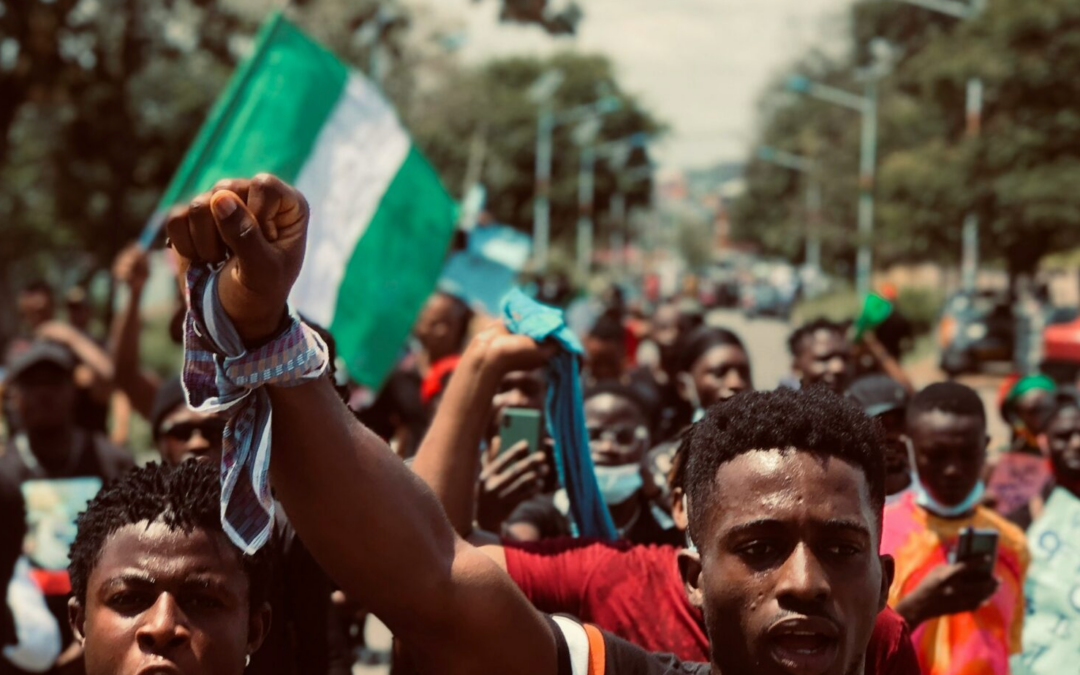
“While academia often downplays material conditions and the very real, lived, embodied experiences, we envision a cultural rhetorics that embraces embodiment as a methodology, drawing on embodied knowledge to recover the very stories that powerful institutions—including academic institutions—sweep under the rug.”
Deep Feelings and Intentional Communities: Honoring Patricia Sullivan’s Legacy

Deep Feelings and Intentional Communities: Honoring Patricia Sullivan’s Legacy

by Jenny Bay, Huiling Ding, Tarez Graban, Emily Legg, and Laurie A. Pinkert
Moderated by Alexandra Hidalgo
“I hope Pat knows that she inspired me to always strive to be a more generous thinker. I remember Pat telling my cohort of graduate students very early on that she didn’t want us to be scholars who only knew how to critique: when she assigned an article for us to read, she wanted us to engage with it in full, to recognize its contributions, its insights, its limitations, its context, its connections.”

Restoration and Connection: Where Rhetoric Meets Art

Restoration and Connection: Where Rhetoric Meets Art

by Alexandra Hidalgo, Ben Lauren, and Luhui Whitebear
Moderated by Catheryn Jennings and Megan Simmermeyer
“I look at creative works as a form of translation to the people as well. Not everyone has to use or learn academic language to think critically, and I feel like creative works are a way to help people engage with this.”

Teach and Write for Justice: Intergenerational Networks, Equity, and Community in the CCCC Caucuses

Teach and Write for Justice: Intergenerational Networks, Equity, and Community in the CCCC Caucuses

by Ersula Ore, Christina Cedillo, Rachel Jackson, and Kimberly Gail Wieser-Weryackwe
Moderated by Ana Milena Ribero
“This work is exhausting. Without the caucuses, it would also be lonely, and there’s just no way I’m signing up to live like that. I have spent far too much of my life in the academy on academic work, and it’s really not a great way to live. Find your people. Make time for you. Make time for your family and friends. Take care of what feeds you. Academia only does part of that. “

Stories that Lead to Action: An Exploration of US Political Rhetorics

Stories that Lead to Action: An Exploration of US Political Rhetorics

by Carlee A. Baker, Amber Buck, Angela D. Mack, James Chase Sanchez, and Jennifer Wingard
Moderated by José Luis Cano Jr. and Daisy Levy
“All rhetoric is laden with and influenced by power, but the stakes feel higher and the power feels heavier when dealing with political rhetoric in particular. I think that political rhetoric looks and behaves differently depending on those who engage in it, the power that they wield and the privileges they enjoy.”

Transnational Fissures and Solidarities: International Political Rhetorics Across Borders

Transnational Fissures and Solidarities: International Political Rhetorics Across Borders

by Stephen Dadugblor, Hazel Elif Guler, Gale Franklin, and Sharon Yam. Moderated by Xiqiao Wang and Andrés C. Lopez
“In international relations, love rhetoric is employed to describe relationships between nations, aiming to foster cooperation, peace, and harmony. However, love is not immune to critique and satire in political discourse, where it can be used ironically or sarcastically to highlight gaps between rhetorical constructions and reality.”

Tenure Under Attack: An Examination of Tenure’s Viability and Value in the Neoliberal Academy

Tenure Under Attack: An Examination of Tenure’s Viability and Value in the Neoliberal Academy

by Carmen Kynard, José Manuel Cortez, Khadeidra Billingsley, José Luis Cano Jr., Alexis McGee, and Ana Milena Ribero
“The recent attacks on tenure illustrate not only the usual US anti-intellectualism, but also the alignment of various strands of the pandemic milieu: conservative attacks against liberal and anti-racist education, panics over the decreasing value of productivity culture, and a changing US demographic.”

A Constellation of Crises: Teaching with Technology During COVID

A Constellation of Crises: Teaching with Technology During COVID

by Laura Gonzales, Alexandria L. Lockett, Dennis Foung, Morgan C. Banville, Sonia Arellano, and Lauren Brentnell
“Many of us already had done work integrating technology or online instruction into our courses, but the shifts in institutional and student expectations, as well as personal losses that affected our lives, made us continue to reflect upon these practices.”

Care in Times of Crisis: How Faculty Are Managing COVID

Care in Times of Crisis: How Faculty Are Managing COVID

by Garrett Bridger Gilmore, Al Harahap, Jamila Kareem, and Helen Sandoval
“I had a minor breakdown due to all the stress—the panic set in and I just began to cry because it was all too much (being a mother to my children, being a good teacher, colleague, and activist for equity, diversity, and inclusion in my writing program).”

Recognizing New Styles: How Graduate Students Are Coping with COVID

Recognizing New Styles: How Graduate Students Are Coping with COVID

by D’Arcee Charington, Dylan Colvin, and B López
“COVID-19 demonstrates the kind of support—both monetary and emotional support—that is needed to succeed. I feel like there is more exigence now while we are still in this pandemic. I think that graduate students can support one another by advocating for BIPOC students and other folks in the margins who need more from the university.” — B López.

Academic #BlackLivesMatter: Black Faculty and Graduate Students Tell Their Stories

Academic #BlackLivesMatter: Black Faculty and Graduate Students Tell Their Stories

by Sharieka Botex, Michelle Grue, Alicia Hatcher, Eric House, and Sherita Roundtree “How has the university reflected on and named their own issues with systemic racism and oppression? How have they taken a closer look at how much money has been allocated toward campus police in comparison to developing programs and initiatives that actively challenge white supremacy within the campus climate?”