Issue 7 Special Issue

Your Misogyny is Not a Cultural Difference: Constellating Transnational Stories of Religious Gender-Based Violence and Feminist Resistance

Your Misogyny is Not a Cultural Difference: Constellating Transnational Stories of Religious Gender-Based Violence and Feminist Resistance

by Victoria Houser and Eda Özyeşilpınar
“The constellation of stories we share offers a path for embodiment through solidarity with those who endured and are enduring religious-based gender violence. There is no such thing as an easy intervention in religious structures that perpetuate gendered violence. Even so, there are possibilities for us to find our way back into the body, and in sharing our stories here we offer others the opportunity to do the same.”

Teach and Write for Justice: Intergenerational Networks, Equity, and Community in the CCCC Caucuses

Teach and Write for Justice: Intergenerational Networks, Equity, and Community in the CCCC Caucuses

by Ersula Ore, Christina Cedillo, Rachel Jackson, and Kimberly Gail Wieser-Weryackwe
Moderated by Ana Milena Ribero
“This work is exhausting. Without the caucuses, it would also be lonely, and there’s just no way I’m signing up to live like that. I have spent far too much of my life in the academy on academic work, and it’s really not a great way to live. Find your people. Make time for you. Make time for your family and friends. Take care of what feeds you. Academia only does part of that. “

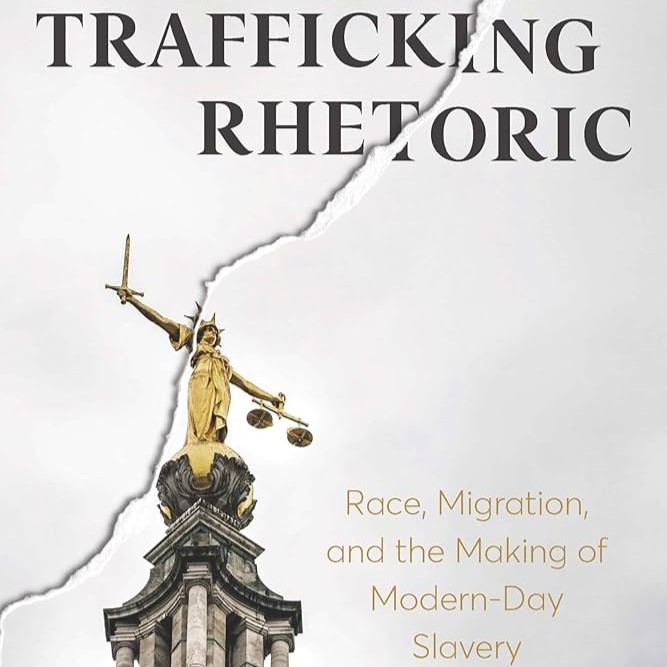
Elucidating “What Trafficking Texts Do in the World as World-making Matter”: A Review of Annie Hill’s Trafficking Rhetoric: Race, Migration, and the Making of Modern-Day Slavery

Elucidating “What Trafficking Texts Do in the World as World-making Matter”: A Review of Annie Hill’s Trafficking Rhetoric: Race, Migration, and the Making of Modern-Day Slavery

by Sonia C. Arellano

“Hill makes us consider what happens when flawed logic and rhetoric inform state initiatives. In the current environment where we risk lies propagating policy change, we can learn so much from examining how such rhetoric has impacted policy previously and continues to do so.”